
Eray Başar - Course Coordinator
Eray is a member of the Digital Citizenship Department at the EUN. He works mainly on the project assessment tasks of the Better Internet for Kids project, among others.

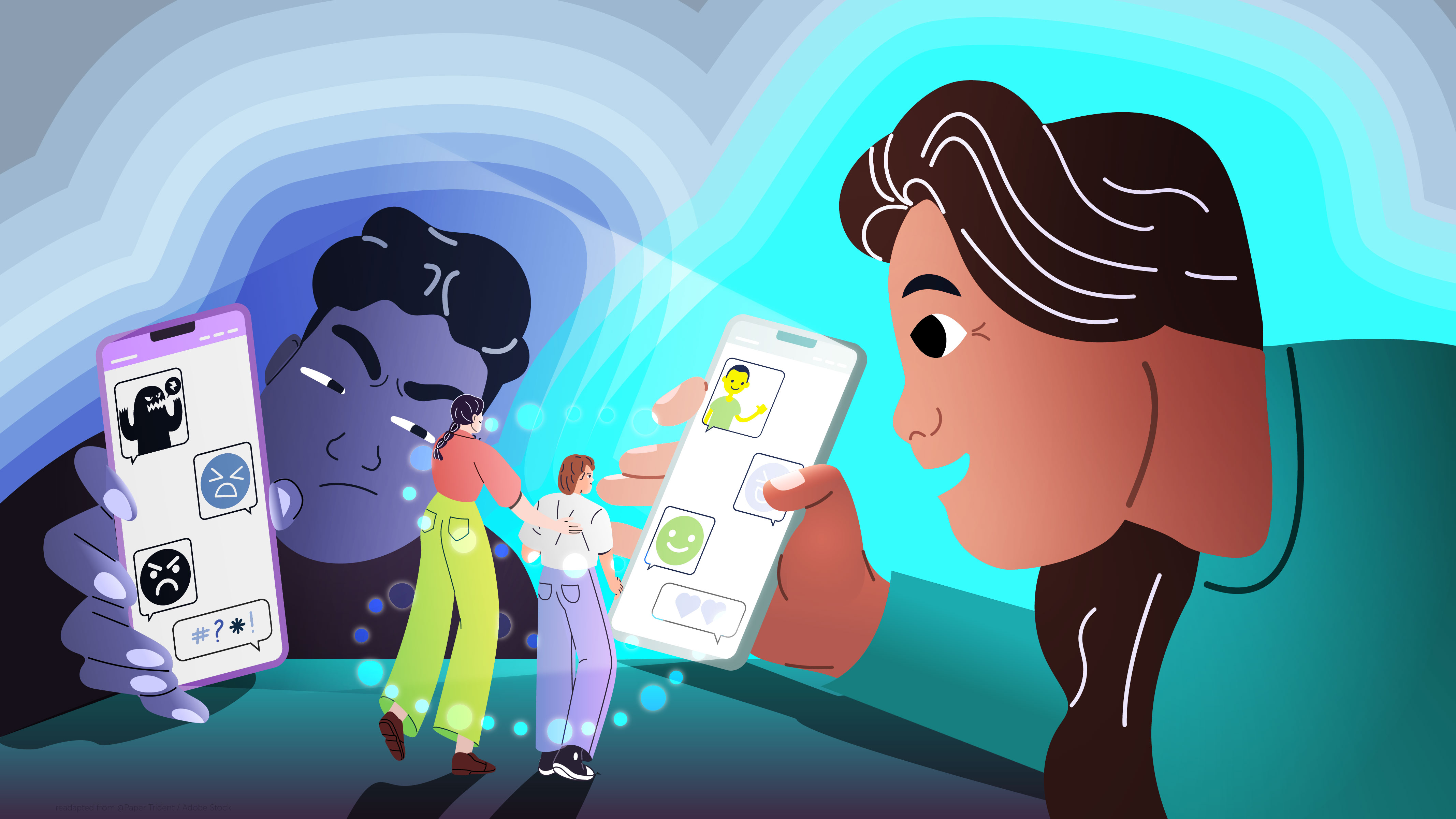
Children and young people today grow up in a deeply connected digital environment, where learning, social interaction and identity formation increasingly take place online. While digital technologies offer significant opportunities for creativity, participation and connection, they also expose young people to evolving forms of risk, including cyberbullying.
The MOOC “Cyberbullying in a rapidly changing digital world” is aligned with the priorities of the EU action plan against cyberbullying (2026). It aims to equip educators with the knowledge, skills and tools needed to prevent, identify, report and respond effectively to cyberbullying. It is grounded in a shared understanding of cyberbullying, and it supports participants in navigating complex and often ambiguous situations in formal and informal contexts with greater confidence. The MOOC adopts a comprehensive and integrated perspective that brings together technological, social, psychological and educational dimensions of cyberbullying in various online environments.
You can follow the course at your own pace. We will open one module at the beginning of each week, and there are only a few deadlines you need to pay attention to (those for the quizzes and/or the peer-review activity).
Join us in the Facebook group or share your thoughts on X (formerly Twitter) using the hashtags #Cyberbullying and #BIKMOOC.
The course is aimed at primary and secondary school teachers of all subjects. In line with a whole-school approach, the course will also benefit a wider group of stakeholders, including school leaders, support staff and professionals working in non-formal education settings. However, it will be open to public, and as such, any other interested parties can also enrol.
In order to receive the certificate, the participation in the quizzes will count for 5%, and the lesson plan together with the peer reviews will count for 95%. The overall passing grade is 95%.
The final deadline to complete all activities is 18 November 2026 at 23:59 CET.
Note pour les participants du Luxembourg: Le personnel enseignant et éducatif du Luxembourg peut obtenir une reconnaissance formelle de l'IFEN (Institut de Formation de l'Éducation Nationale) à l'issue de ce cours. Pour obtenir la certification, il est indispensable de s'inscrire via le site web de l'IFEN. Pour plus d'informations : https://ssl.education.lu/ifen/
Note to teachers from Emilia-Romagna: Per i docenti della regione Emilia-Romagna iscritti alla piattaforma regionale https://iscrizioni.istruzioneer.it/ è possibile ottenere, oltre all’attestato rilasciato da European Schoolnet Academy, anche l’attestato rilasciato dall’Ufficio Scolastico Regionale per l'Emilia-Romagna (Servizio Marconi) che attua un'azione di facilitazione ed accompagnamento a questa attività. Maggiori informazioni al link: https://bit.ly/EuroSmooc21.
Note to teachers from Ireland: It may be possible to count the completion of this course as part fulfilment of any discretionary CPD hours, subject to your school management's approval. Therefore, please enquire with your school management if your participation in this course can be formally recognised.
Eray is a member of the Digital Citizenship Department at the EUN. He works mainly on the project assessment tasks of the Better Internet for Kids project, among others.
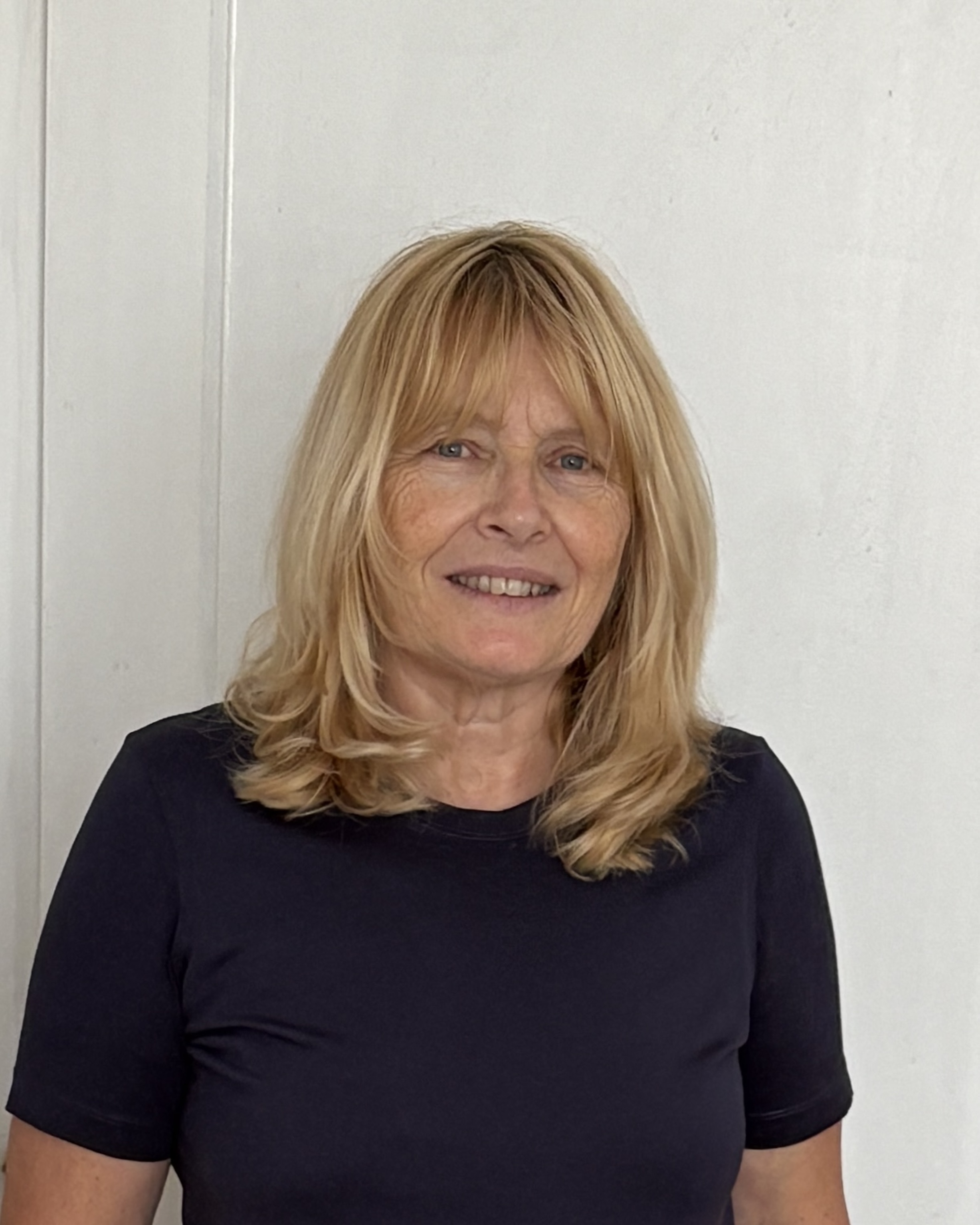
Arjana is a teacher trainer, course designer and education technology consultant. She works as Senior Adviser at European Schoolnet (EUN). Her interests focus on technology-enhanced teaching and learning and the impact of digital technologies on student learning, student and teacher well-being and teacher professional development.
With funding provided by the European Commission's Digital Europe Programme (DIGITAL), the joint Insafe and INHOPE network of Safer Internet Centres collaborates to deliver a safer internet, promoting safe, responsible use of the internet and mobile devices to children, young people and their families, and working to identify and remove illegal content online, in line with the EC’s Better Internet for Kids Strategy. Visit the Better Internet for Kids portal for further information.
This course is produced by European Schoolnet on behalf of the European Commission as part of the Better Internet for Kids initiative. This MOOC is provided in good faith with regards to the validity, accuracy or comprehensiveness of the information contained within it, but please note that the views expressed are not necessarily the views of the European Commission or any partner organisations. Please note also, the authors have no control over third-party references and linked sites, and any referenced links may be subject to change over time.

All content on this course unless specified otherwise is licensed under a Creative Commons Attribution-ShareAlike 4.0 International License