
 TeachMeet
Date: Thursday, 27 March, 17:00-18:00 CEST.
Recording
You can find the presentation slides here
A TeachMeet is an informal way of sharing ideas, good practices, lesson plans, etc. It is also a great way to network with other teachers and educators!
During the TeachMeet you will not only get to exchange with your peers, but we will share best practices and great ideas for your Learning Scenario. In the end of this TeachMeet, you will also have the chance to ask questions to the speakers.
Webinar: BSCS 5E Instructional Model for soil education
Date: Tuesday, 11 March, 17:00- 18:00 CET
Recording:
You can find the presentation slides here.
In this webinar, we will delve into the BSCS 5E Instructional Model and explore how to effectively adapt it for soil education. We’ll begin by reviewing the foundational principles of the 5E model, then examine practical strategies and examples for tailoring each stage to specific soil-related topics. You’ll gain valuable insights into designing engaging, inquiry-based lessons, and we’ll conclude with a Q&A session where you can ask our experts your questions.
We look forward to seeing you there and exploring how we can bring soil education to life using the 5E Instructional Model!
Speakers:
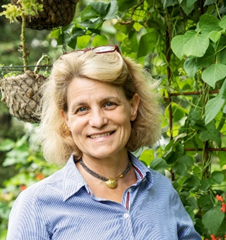
Prof. Dr. Suzanne Kapelari, MA is Professor of Biology and Environmental Education and Dean of the Faculty of Teacher Education at the University of Innsbruck. She leads several research and educational projects funded by the European Commission and national agencies. Her research focuses on teaching and learning in formal and non-formal learning environments in the context of education for sustainable development. Her recent publications deal with issues of promoting critical thinking in science education, language-sensitive science education and socio-cultural aspects of science communication.

Lucas Weinberg is a phD candidate and project manager at the Department for Subject-Specific Education at the University of Innsbruck (Austria). In recent years, he was involved in several projects where he has gained expertise in Open Schooling, Citizen Science, critical thinking and the conception of STEM related teaching material. His research interest lies in out of school learning scenarios as well as in the research on student conceptions of high mountain areas.
Connection detailsThese events will take place via Microsoft Teams meeting. You can join a Microsoft Teams meeting by using an invite link which will be shared with you before the event. You can then launch or download the Teams app, or simply join using your web browser (no download required). The easiest way is to join anonymously (no account or sign in required). Alternatively, if you have an educational license, you can sign into your Microsoft account. Here, you can find more information on how to join a Microsoft Teams meeting. As an attendee of a meeting in Teams, you can watch live events and participate in the moderated Q&A, but you cannot share audio or video. Please note that this Microsoft Teams service allows audio and other information sent during the session to be recorded, which may be discoverable in a legal matter. By joining this session, you automatically consent to such recordings. If you do not consent to being recorded, discuss your concerns with the host or do not join the session. The recording will be shared in the current section shortly after the event. |
